







Search Results for: strawberry fruit tea
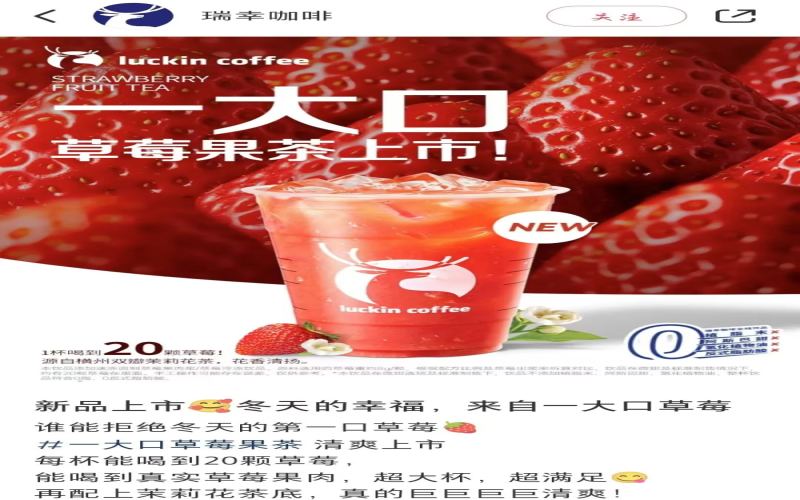
Luckin's Strawberry Fruit Tea claim of 20 strawberries sparks controversy; consumers say it's actually made with jam, causing a big gap in taste
Strawberry season has arrived, and major chain brands are rolling out seasonal limited-edition drinks one after another. Luckin has also jumped on the bandwagon with its Big Gulp Strawberry Fruit Tea, officially claiming that each cup contains 20 strawberries. However, after receiving the product, many consumers discovered that the drink was made from strawberry jam, far from the fresh fruit tea they had expected, and complaints have been flooding social media. The promotional approach of livestream hosts holding fresh strawberries stands in sharp contrast to the thick jam actually used in stores, sparking customer doubts about the truthfulness of the marketing. This article will sort through the ins and outs of the incident, present consumer feedback and the brand's response, and explore Luckin's consistent ingredient strategy for its fruit tea products. [more…]
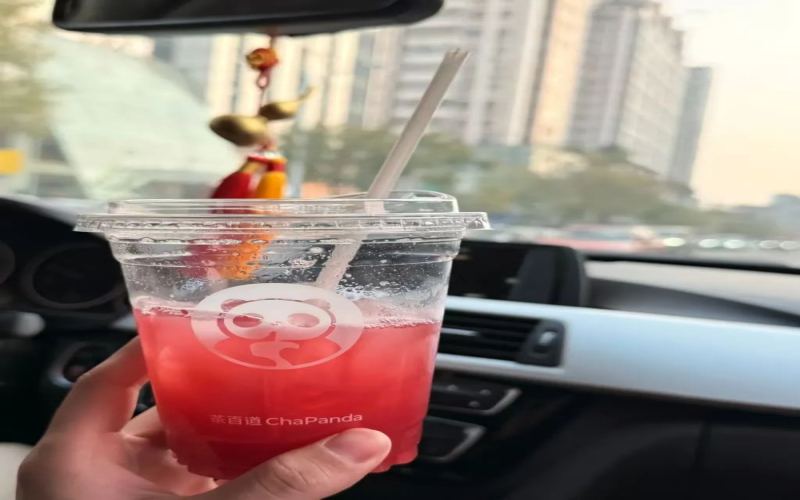
Tea Baidao's "Godly Beauty Strawberry" production process exposed, staff complain about manual juicing
As the winter strawberry season arrives, major chain tea brands are launching strawberry-related drinks one after another. ChaPanda has brought back its signature strawberry drink in response to fan demand, while also keeping up with the fruit-and-vegetable juice trend by launching a strawberry version of its Light & Refreshing Kale drink and a brand-new item, Divine Beauty Strawberry. Among them, Divine Beauty Strawberry is made fresh with ingredients such as roselle, strawberries, and pineapple, and has been dubbed a "natural liquid blush" by the official brand, attracting many consumers to try it. However, a production video released by an employee revealed the cumbersome and labor-intensive manual juicing process behind this drink—a full pot of ingredients can yield only two cups after manual squeezing, and the filter bags frequently burst from the pressure, prompting collective complaints from staff. The inefficient production method has also led some netizens to worry about hygiene conditions. [more…]
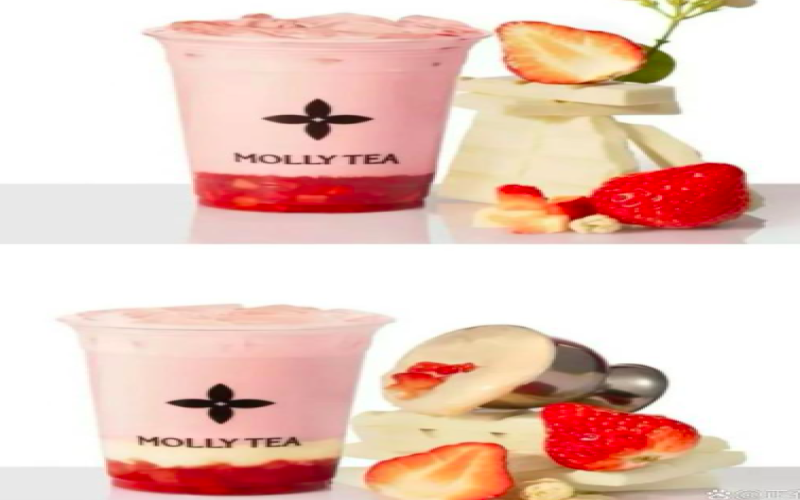
Jasmine Naibai Strawberry New Product Fails to Match Promotion, Consumers Question Inconsistency Between Description and Reality
The limited-edition drinks "Strawberry White Chocolate" and "Strawberry White Chocolate Rice Mochi," launched in collaboration between Molly Tea and *Barbie*, sparked consumer complaints due to a massive discrepancy between the actual product and the official promotional images. The promotional image showed a thick layer of strawberry chunks filling the bottom of the cup, but the drinks customers actually received contained so little fruit that it was barely noticeable. Some customers strained out the fruit with a sieve and put it back into the cup, only to find the actual portion fell far short of the poster. The store explained that, because customers had complained the fruit pieces were too large and hard to sip, the strawberries had been mashed, and that shaking during delivery would also cause the fruit to mix with the liquid. However, the official promotional image carried no disclaimer such as "actual product may vary," leading consumers to suspect false advertising and demand refunds. Reporters from this publication visited two stores in Wuhan, placed orders, and conducted hands-on tests, confirming that the actual product indeed did not match the promotion. [more…]
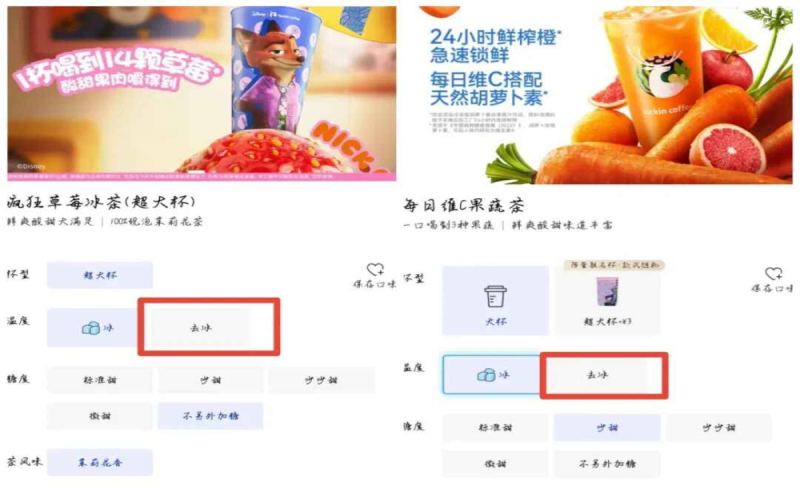
Luckin's ordering interface adds a no-ice option, but fans are surprised to find the taste has become weaker.
When Luckin Coffee launched its new strawberry series in collaboration with "Zootopia 2," many fans noticed that a "no ice" option had quietly appeared on the ordering interface. You see, Luckin has long been criticized for serving "half a cup of ice," with consumers even adding notes like "want XX ice cubes" just to get less ice. Now that the company has finally offered an option, it has raised a new question: will the ingredients be topped up after removing the ice? An employee revealed that what gets added depends on the main ingredient—milk for lattes, tea for fruit and vegetable teas, while the main ingredient of strawberry iced tea is water, so it naturally tastes bland after the ice is removed. In addition, during peak hours, some staff still miss the labels and mistakenly add ice, so consumers are advised to give timely feedback and ask for a remake. Front Street Coffee is also paying attention to how this change affects the drinking experience. [more…]
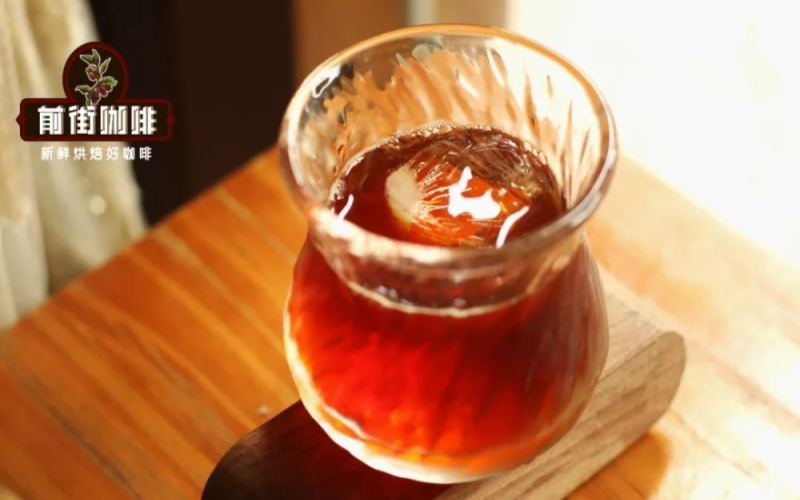
Can Fruit Be Used to Make Cold Brew Coffee? Four Pairing Tests and Recipes for Cold Brew Latte and Coconut Water Cold Brew
Under the framework of low-temperature slow extraction, the variables that can be adjusted for cold brew coffee seem to be only the coffee-to-water ratio, water temperature, and grind size, making the possibilities appear quite limited. But if you open your mind—fruit can be used to make tea, so can cold brew coffee also be infused with fruit? With this idea in mind, Front Street conducted a round of infusion experiments using blueberries, grapes, lemons, and peaches, each paired with four different styles of coffee beans, and recorded the flavor performance and lessons learned from each group. In addition to reproducing the complete process and tasting results of these four pairings, this article also compiles the types of fruits suitable for infusion, the logic for selecting beans to pair with them, and specific methods for cold brew lattes, sparkling cold brew, and coconut water cold brew, for coffee enthusiasts who want to experiment at home. [more…]
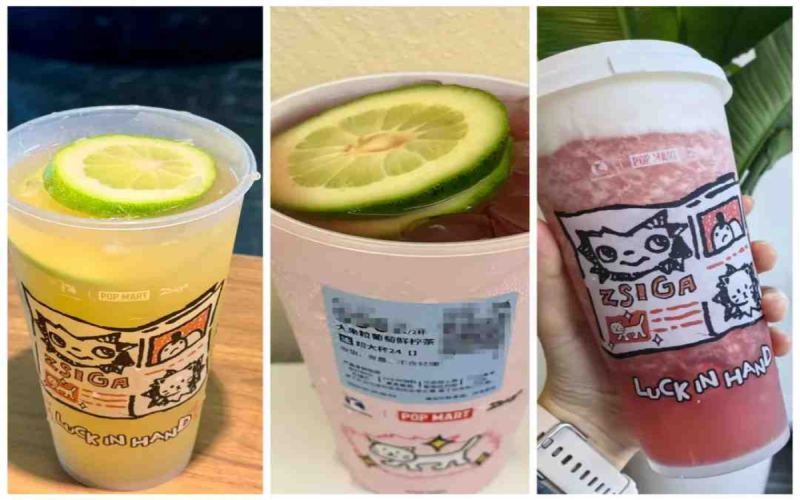
Luckin Regional Limited Release of Freshly Cut Fruit Drinks, Stores Add Slicing Tools Sparking Heated Discussion Among Employees and Consumers
Luckin Coffee recently launched region-exclusive new products in Shenzhen and Chengdu respectively. In Shenzhen, these include "Daily Fresh Lemon Tea," "Large Fruit Grape Fresh Lemon Tea," and "Fragrant Lemon Jasmine Americano," while Chengdu introduced "Snow Cheese Berry Berry." Unlike the previous use of freeze-dried fruit pieces, these new products incorporate fresh fruit handled on-site at the stores. The three lemon drinks in Shenzhen include lemon slices cut fresh the same day, and the Chengdu new product adds washed fresh strawberries. This change has raised consumer questions about whether stores are equipped for fresh cutting, and subsequently, Luckin employees in both locations posted photos of the delivered fruit and newly equipped fruit slicers as proof. However, employees in non-limited regions generally avoided commenting on this, and online reviews showed polarized opinions. [more…]
Fruit-Infused Cold Brew Coffee Pairing Experiments: Four Recipes, Flavor Comparison, and a Coconut Cold Brew Latte Recipe
Under the framework of cold brew coffee's low-temperature slow steeping, there are inherently few adjustable variables—just water volume, water temperature, grind size, and steeping method. But if fruit is brought into the steeping process as well, could it open up new flavor territory? Front Street paired blueberries, grapes, lemons, and peaches with four coffee beans of different character profiles, ran a round of fruit cold brew experiments, and recorded the aroma, mouthfeel, and pros and cons of each group. In addition, it extended into mixing ideas for cold brew lattes, sparkling cold brew, and coconut water cold brew, and summarized the types of fruit suitable for steeping and the direction for choosing coffee beans, as a reference for recreating them at home. [more…]
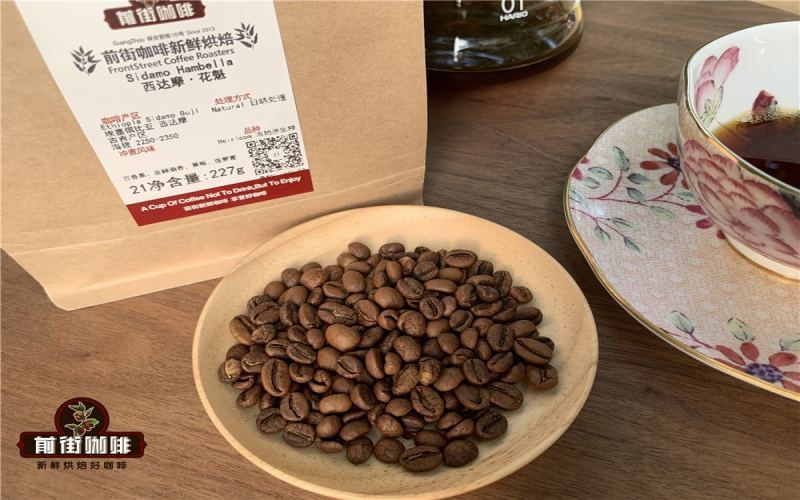
Ethiopia Guji Hambela Huakui Coffee Beans Flavor Analysis and Pour-Over Parameter Guide
Huakui coffee beans are a gem from Hambela in the Guji region of Ethiopia. With a stunning strawberry-cream flavor, they won the 2017 TOH competition and were subsequently named "Huakui" by a domestic green bean merchant. These beans come from the Buku Abel processing station and use the natural processing method. Fully red cherries with a sugar content above 30 are dried on African raised beds, creating a sweeter taste than other Sidamo producing areas. From 1.0 to 6.0, the Huakui series is updated every year, and the flavor has gradually evolved from intense strawberry to a full-bodied profile of citrus berries and mango juice. Front Street Coffee has long tracked each version of Huakui. This article will comprehensively sort out the origins and development of these beans for coffee lovers, from producing-area background, processing techniques, and variety characteristics to version distinctions, brewing suggestions, and flavor descriptions. [more…]

Bean Selection for Cold Brew and Ice Drip: Two Directions—Fruity and Sweet
Cold brew and ice drip have very clear requirements for beans: strong flavor, ample sweetness, and high cleanliness. The passion fruit and blueberry flavors of Front Street Coffee Colombia Sidra slowly emerge in ice drip, with a juicy quality as rich as fruit tea; the sweet aroma of strawberry candy makes a cold brew in which the strawberry gummy character stands out even more at low temperatures. Choose the right beans, and the flavor concentration of cold brew and ice drip [more…]
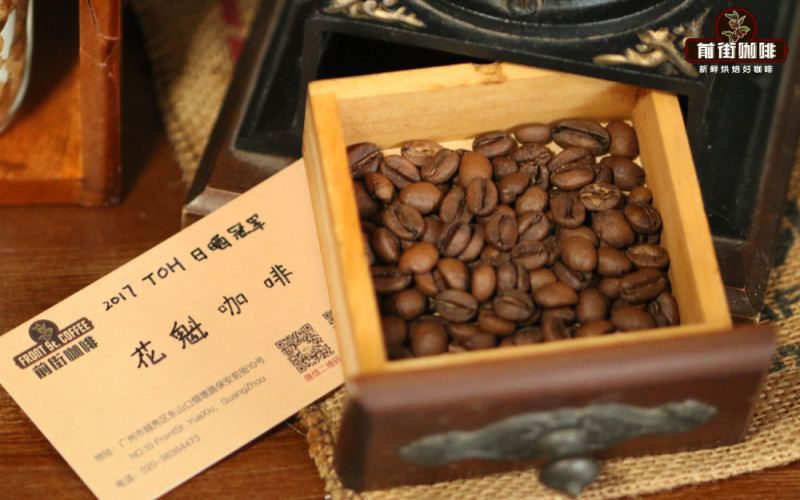
Where Does the Strawberry Aroma of Sidamo Huakui Coffee Come From? An Analysis of the Brewing and Flavor Evolution of Passion Fruit-Flavored Huakui
Since its introduction in 2017, Geisha coffee has quickly gained popularity with its bright strawberry and cream aroma, becoming a highly sought-after Ethiopian bean variety in coffee shops. From the original TOH champion batch to the current 8.0 version, many enthusiasts have noticed that the flavor of Geisha seems to change every year. This article will take you back to the origin of Geisha, Guji Hambela, to learn about the sun-drying process at the Buku Abel processing station, review the flavors and roasting curves of each version of Geisha that Front Street Coffee has sourced over the years, and analyze the causes of Geisha's aroma and the sources of its year-to-year differences. It will also share Front Street's V60 brewing parameters and techniques to help you better appreciate this classic coffee interwoven with passion fruit and berry notes. [more…]
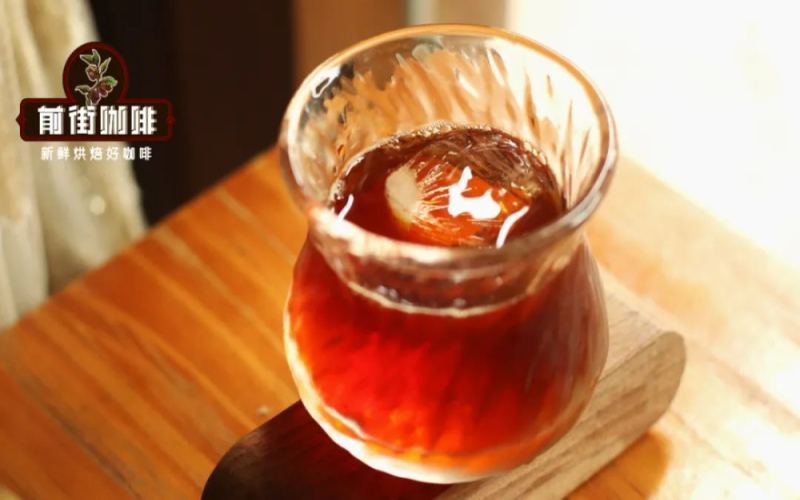
Low-temperature slow extraction meets fresh fruit infusion: four pairings tested, a step-by-step guide to making a well-balanced fruit cold brew
As temperatures keep climbing, the call for cold brew coffee grows louder and louder. The two thresholds of low temperature and slow steeping mean that the variables in cold brew are mainly concentrated in water volume, water temperature, and grind size, so there don't seem to be many ways to play around with it. But if fresh fruit and coffee beans are steeped together, could they collide into unexpected flavors? Front Street Coffee paired blueberries, grapes, lemons, and peaches with four coffee beans from different origins respectively and carried out a round of hands-on testing. From parameter settings to tasting impressions, and then to a summary of the patterns for choosing fruit and beans, the entire experimental process of this fruit cold brew was fully recorded, in the hope of offering some reference for friends who want to try it at home. [more…]
Ceylon Flavored Black Tea Flavor Analysis: Earl Grey, Jasmine, and Masala, Plus a Discussion on Whether Flavorings Are Added and the Causes of Astringency
Ceylon flavored black tea is made by infusing black tea, green tea, or oolong tea with the natural flavors of flowers, herbs, and fruits, preserving the inherent depth of Ceylon tea while adding subtle fruity or herbal notes. Common varieties on the market, such as Earl Grey, jasmine tea, and masala chai, each have their own origins, while innovative flavored teas like raspberry, lemon, ginger, strawberry, mint, vanilla, and cinnamon are continually emerging. Many tea enthusiasts wonder whether flavored black teas rely solely on artificial flavorings, and why Ceylon black tea tastes astringent. This article will address these questions by outlining the types, processing methods, and flavor characteristics of Ceylon flavored black tea, and also introduce related product information from Front Street Coffee. [more…]
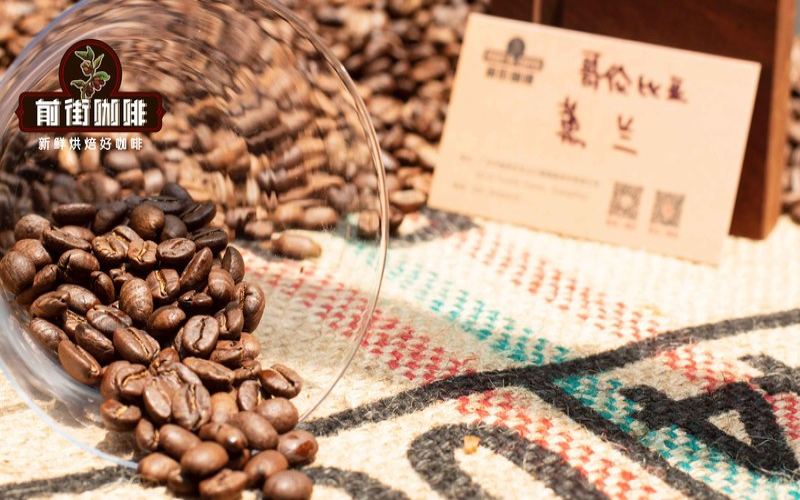
Berry-scented coffee beans, choose your roast level like this
If you want coffee beans with a pronounced berry flavor, start by looking at the roast level, then compare origin and processing method. Light roasts are more likely to retain bright aromas like strawberry, blueberry, and red berry, with a sweetness reminiscent of fresh fruit flesh; medium roasts rein in the acidity and develop notes of fruit jam, smoked plum, or brown sugar; medium-dark roasts let the berry notes blend with cocoa and cara- [more…]

Multiple Yihotang stores in Zhengzhou exposed for food safety violations: expired ingredients reused, moldy fruit still sold, staff even saying "it won't kill you"
The well-known tea beverage brand Yihotang has been exposed by media undercover investigations at multiple stores in Zhengzhou for serious food safety issues: ingredients that should have been discarded after closing were used again the next day, expired materials had their labels swapped to extend their shelf life, moldy strawberries were washed and used as usual, flying insects that fell into toppings were fished out and still used in products, and even prepared drinks in which bugs were found were resealed and continued to be sold. Even more shockingly, the staff were indifferent to this, claiming that "as long as it doesn't kill people, it's fine." After the incident was exposed, Yihotang issued an apology statement, and the stores involved were closed for rectification. Lawyers pointed out that the relevant actions have violated multiple provisions of the Food Safety Law. Netizens reacted differently, with some saying that chaos in franchise stores is common, while others called on the brand to effectively fulfill its regulatory responsibilities. [more…]
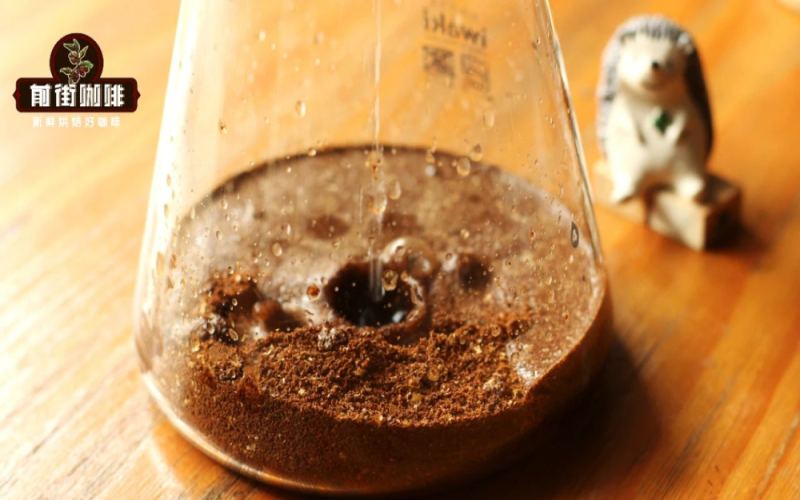
Cold Brew Coffee Bean Selection Guide: How to Choose Light-to-Medium Roast Fruity Single-Origin Beans, with Five Floral Bean Recommendations
Cold brew coffee, through its low-temperature slow extraction process, releases only floral and fruity aromas along with caramel sweetness, with almost no bitterness, making the choice of coffee beans especially critical. This article starts with the extraction principles of cold brew, answers what kind of coffee grounds to use for making cold brew, and highlights five light-to-medium roast single-origin beans with floral and fruity notes suitable for cold brew—from Front Street washed Fudingding to Butterfly—listing the flavor performance of each under two methods: cold brew/ice drip and Japanese iced coffee. At the end, it also includes Front Street Coffee's purchasing and roasting/shipping information, making it convenient for coffee lovers to buy as needed. [more…]
The Complete Guide to Using the SCA Coffee Flavor Wheel: A Tutorial on Breaking Down Pour-Over Coffee Flavor Descriptions and Taste Categories
The coffee flavor wheel is known as the "flavor dictionary" of specialty coffee and is an indispensable professional tool in cupping and quality control. Based on Front Street Coffee's cupping practice, this article systematically breaks down the structure of the SCA coffee flavor wheel. Starting from the four major taste spectra of sour, sweet, bitter, and salty, it analyzes the causes and representative bean varieties of each flavor category, covering all categories including floral, fruity, nutty/cocoa, sweet, spicy, sour and fermented, alcoholic fermentation, roasted, and defective flavors. It also provides practical methods for building a flavor memory bank from everyday life and improving sensory identification ability, helping coffee enthusiasts more accurately describe the flavor characteristics and taste categories of pour-over coffee. [more…]
Beyond Bitterness: Coffee Bean Recommendations with Balanced Acidity and Sweetness and Distinct Flavor Layers
Many people's impression of coffee stops at the word "bitter," believing that black coffee must be paired with milk and sugar to go down smoothly. But in fact, coffee's flavor spectrum is far richer than imagined, and the intertwined sweet-and-sour taste experience often better showcases a bean's character. Front Street Coffee has selected a range of coffee beans with balanced sweetness and acidity and strong flavor expression, covering Xizhua, Strawberry Candy, Yunnan Small-Batch Typica, Flower Butterfly, and Bird of Paradise, among others—offering both complex aromas comparable to Geisha and everyday options suitable as a daily staple. Whether you prefer bright fruity acidity or gentle sweetness, you can find the cup that matches your taste. [more…]
2022 Front Street Coffee Specialty Roasted Bean Price List: A Bean-Hunting and Roasting Journey from Ethiopia to Yunnan
Front Street Coffee (FrontStreet Coffee) cups hundreds of sample lots every year, and in the end only around fifty make it onto the menu—a testament to how rigorous its selection standards are. The 2022 new-crop menu covers origins including Ethiopia, Kenya, Papua New Guinea, Indonesia, Jamaica, Hawaii, Panama, Costa Rica, Colombia, Brazil, Honduras, and Yunnan, China. Processing methods range widely, from washed and natural to wet-hulled and barrel-fermented. This article provides a complete rundown of each coffee's origin background, variety information, processing method, flavor description, and price, making it easy for coffee lovers to choose what they need. [more…]
Where Do Sidamo Huakui Coffee Beans Come From? The Rise of the Guji Region and an Analysis of Flavor Differences from Yirgacheffe
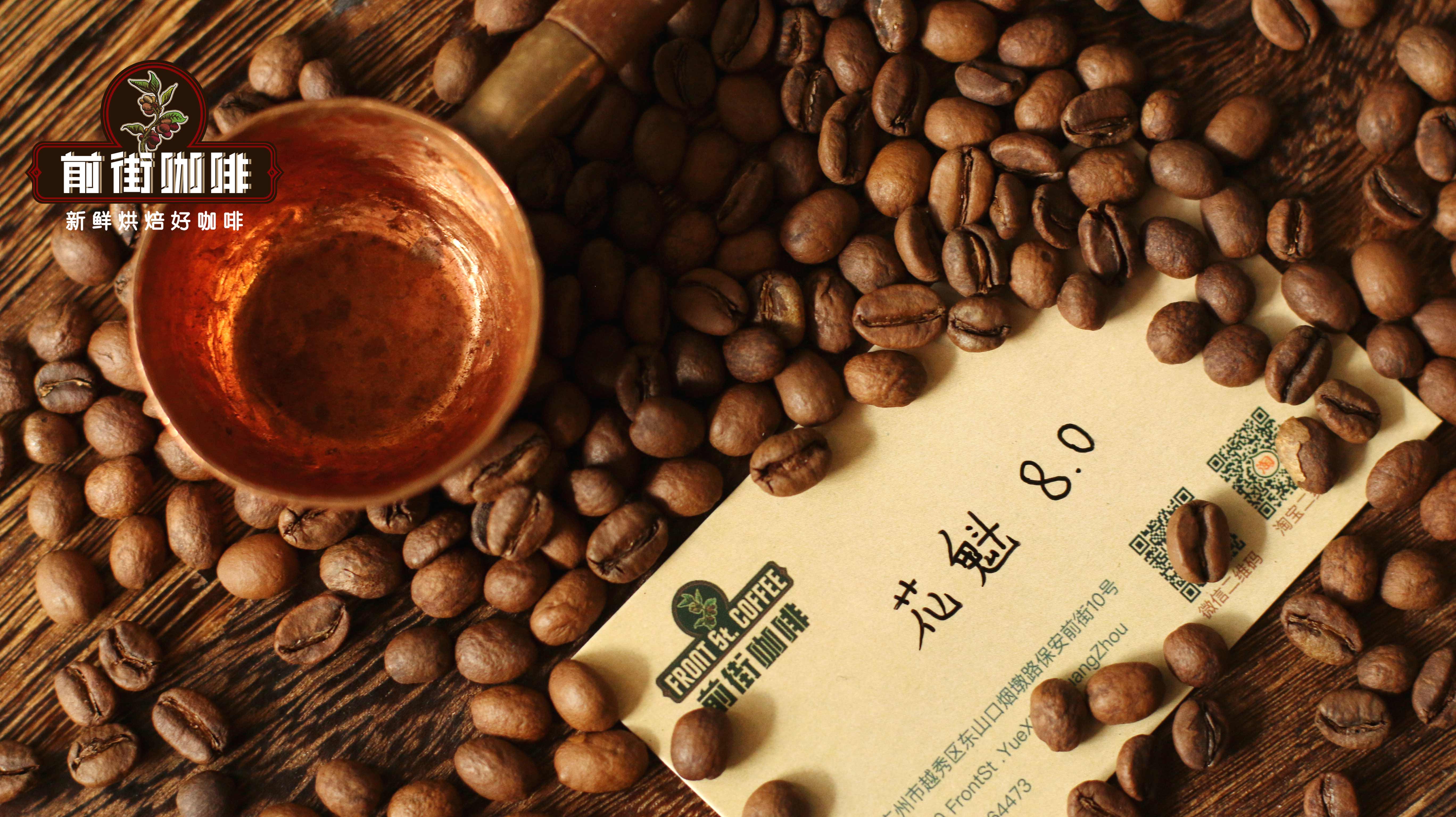
As the birthplace of coffee, Ethiopia has a regional division far more complex than one might imagine. Huakui coffee beans have captured the hearts of many enthusiasts with their rich tropical fruit sweetness and delicate floral aroma, but their origin label has shifted from Sidama to Guji, and the two are even used interchangeably—behind this lies the story of Ethiopia's coffee region transformation. From the perspective of Front Street, this article sorts out the connections between Sidama, Guji, and Yirgacheffe, reviews the evolution of Huakui from its 2017 TOH championship to version 8.0, and provides a detailed explanation of the natural process at the Buku Abel processing station, a flavor comparison of each generation of Huakui, and Front Street's roasting and brewing recommendations. [more…]
A Comprehensive Analysis of the Naming Origin, Regional Evolution, and Pour-Over Flavor Characteristics of Ethiopian Huakui Coffee Beans
Huakui coffee beans have been one of the most talked-about Ethiopian specialty coffees in recent years, and their name comes from winning the 2017 TOH green bean competition. These beans are produced at the Buku Abel processing station in Guji Hambela, and they have won the favor of coffee lovers worldwide with their natural G1 grade and rich floral and fruity notes. As market demand has grown, DW has successively added processing stations, and Huakui has also spawned different annual batches such as 2.0, 3.0, 4.0, and 5.0, each with distinct flavor differences. Front Street Coffee has long tracked and cupped each batch of Huakui, and this article will provide a complete presentation of the flavor evolution and tasting points of these beans, from the naming story, origin tracing, and processing techniques to roasting curves and brewing parameters, offering coffee lovers a detailed reference. [more…]